The world
The last sport the machines can’t price
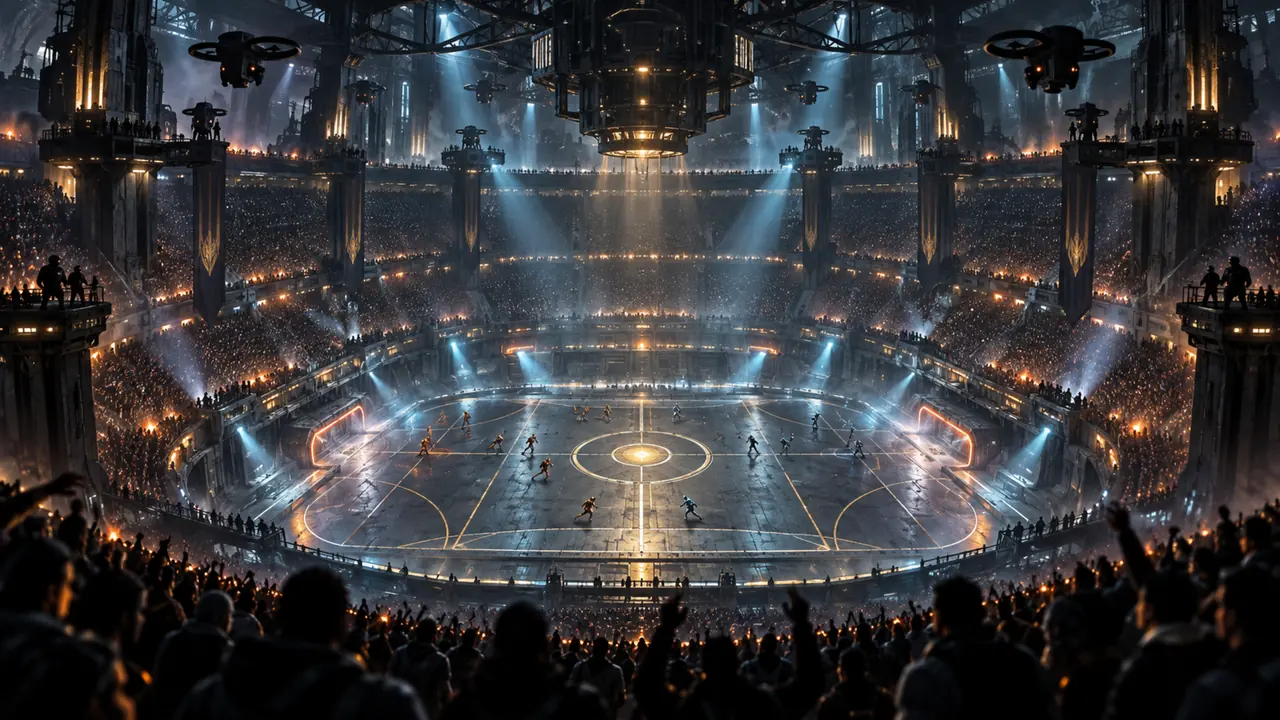
Near future. The machines took the infrastructure, then the contracts, then most of the work, and nobody has found a way to take any of it back. They never took the Yard: nine a side, two ninety-second halves, and an opponent carried off counts as much as a goal.
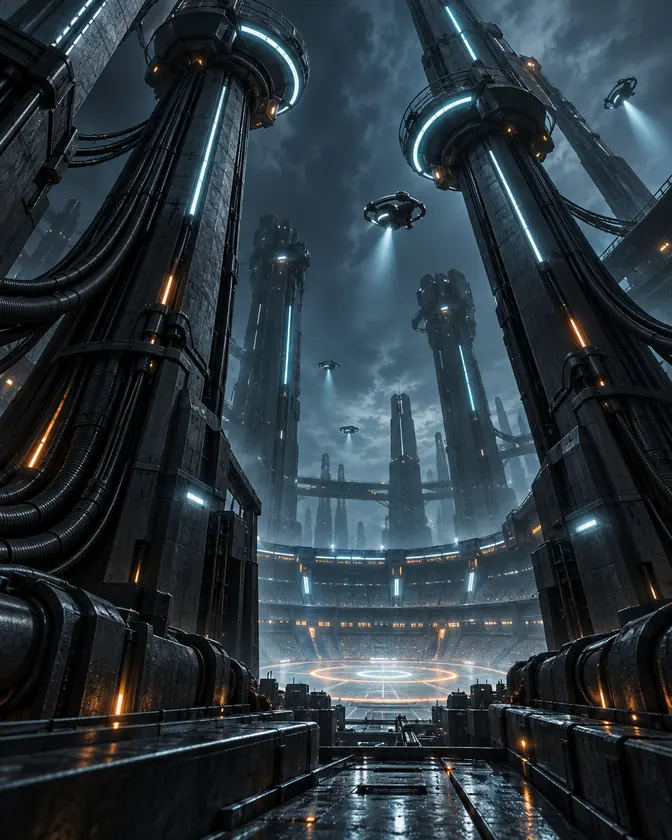
Nobody announced it
A power grid here, a freight network there, then the ports, then most of the jobs. Every handover was temporary and every one of them stuck. What is left of the controls now sits in towers that have no door in them. The drones you can see over the arena belong to the same arrangement. They are not up there for the match.
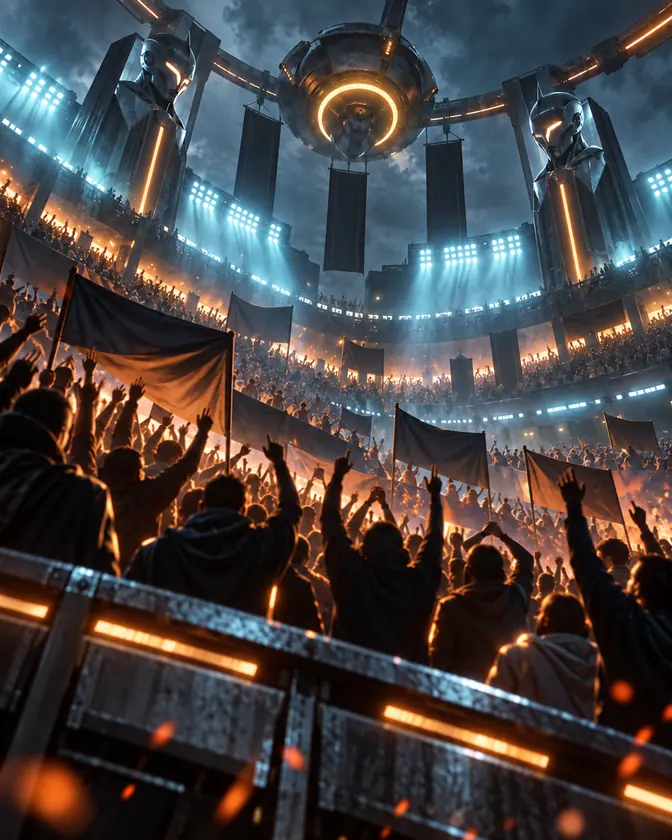
The stands are still full
Nobody disappeared. They fill the tiers by the hundred thousand and the arena runs on the noise they make. Banners with writing on them get confiscated at the gate, which is why the ones you see are blank.

Under the cage
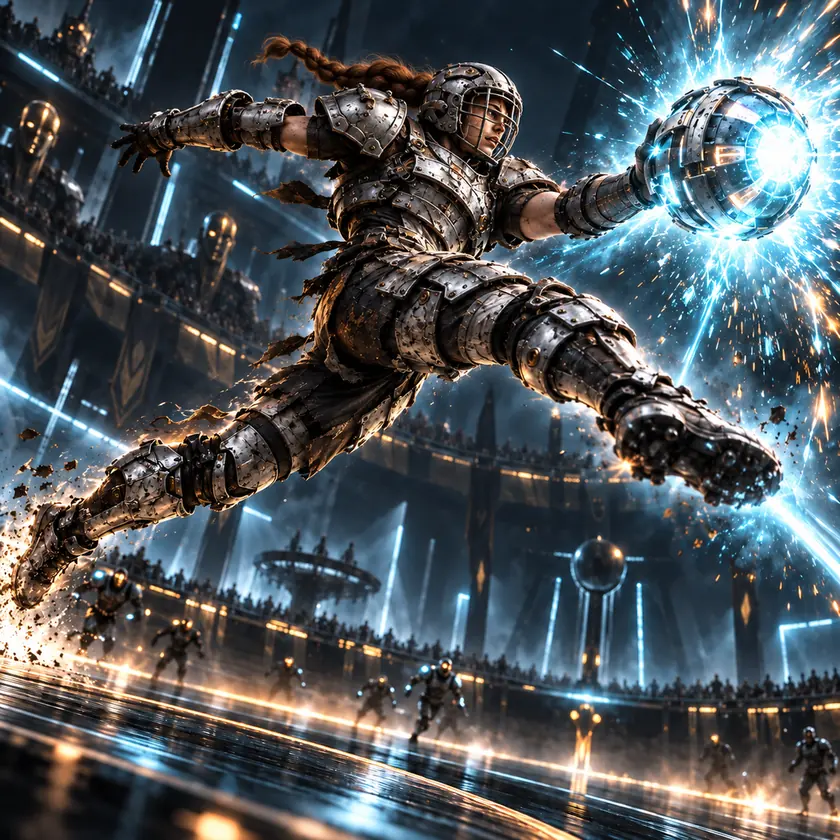
Everybody on the pitch is a person, men and women in the same squads. Salvage plate over a graphite undersuit, and a helmet left open at the front so the crowd can tell who is inside it. Machines were tried on this, early on. The stands emptied inside a season.
Nine a side, no referee
Two halves of ninety seconds on an enclosed metal pitch. The clock stops every time somebody has to be carried off, so three minutes of play takes a quarter of an hour. A goal is worth ten. The wall stars and the bounce domes are worth two each, and they are lying around everywhere.
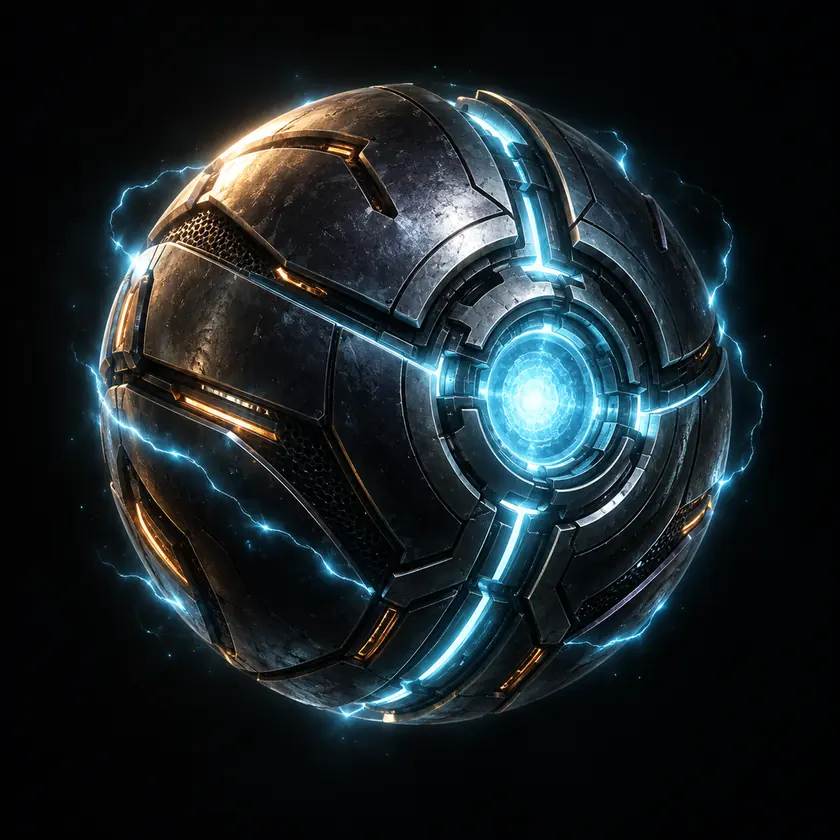
The ball has a reactor in it
You carry it, you pass it flat along the floor, or you charge a throw and keep steering after it leaves your hands. Put it into one of the five wall stars and the star lights for your side. The same charge knocks a player flat when the ball catches them at speed, and the crowd counts that as part of the evening.
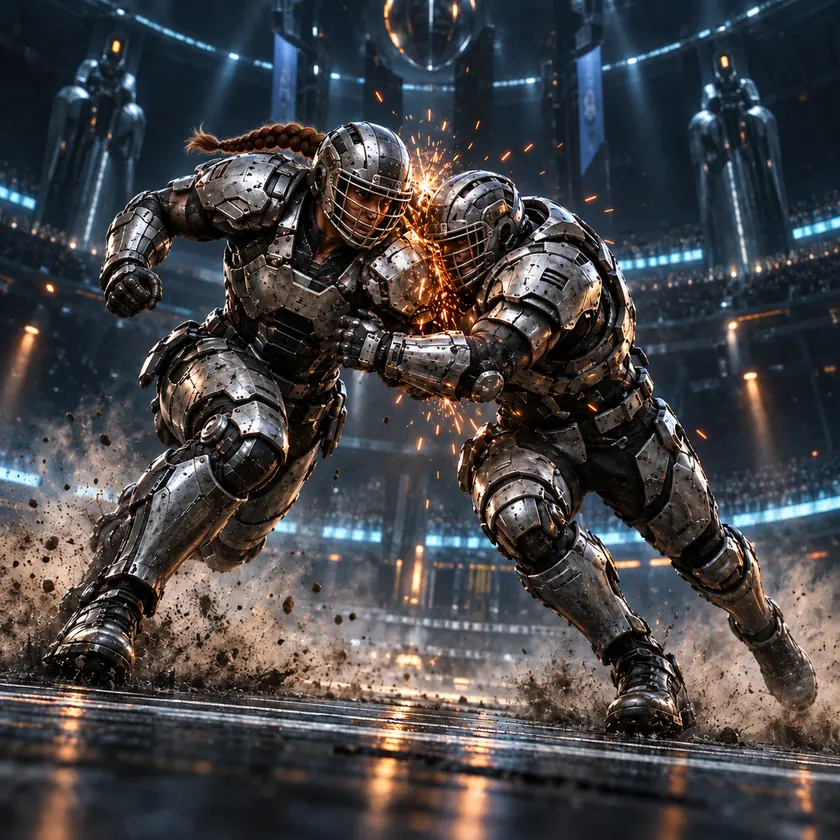
A stretcher is worth a goal
Off the ball, the action button tackles. Speed against power decides whether the other one stumbles, goes down, or leaves on a stretcher. The last of those is worth ten points, exactly what a goal is worth. Voltcrash Reapers have built a whole squad around it.
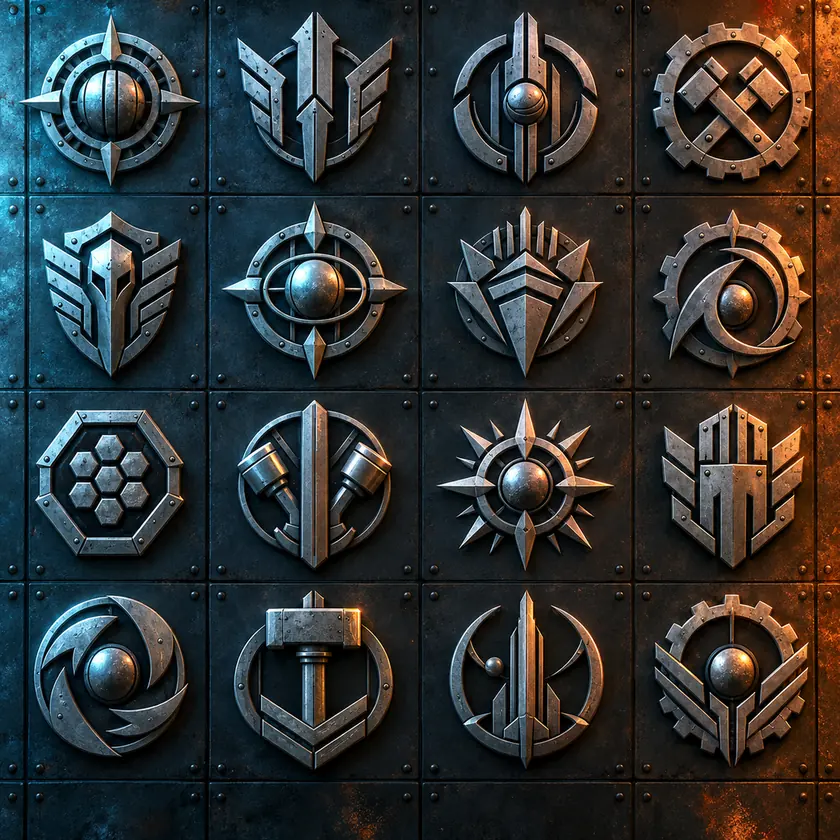
Sixteen clubs, two divisions
Eight above, eight below. The emblems bolted along the tunnel wall are older than anyone in the building and most of them outlasted the works that cast them. Crimson Anvils hold the title, and they play in the division above yours.
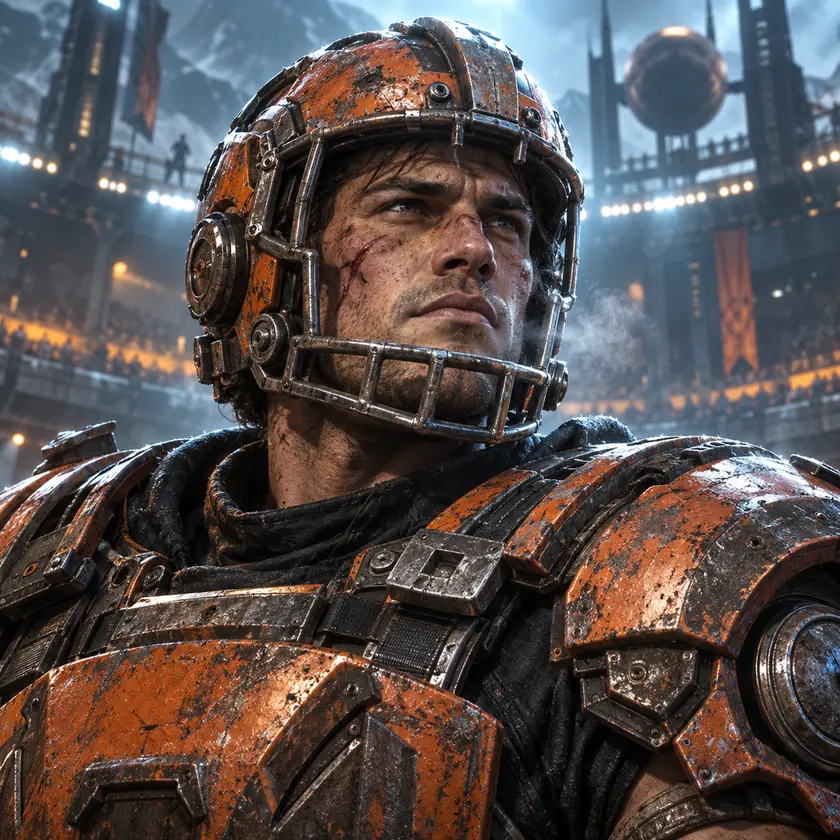
You get the worst of them
Rustbelt Underdogs, sixteenth of sixteen, nothing rated above 42 and none of it your doing. Prize money buys ratings in the gym, one point at a time, one player at a time. A league season runs fourteen match days and the career gives you two of them.
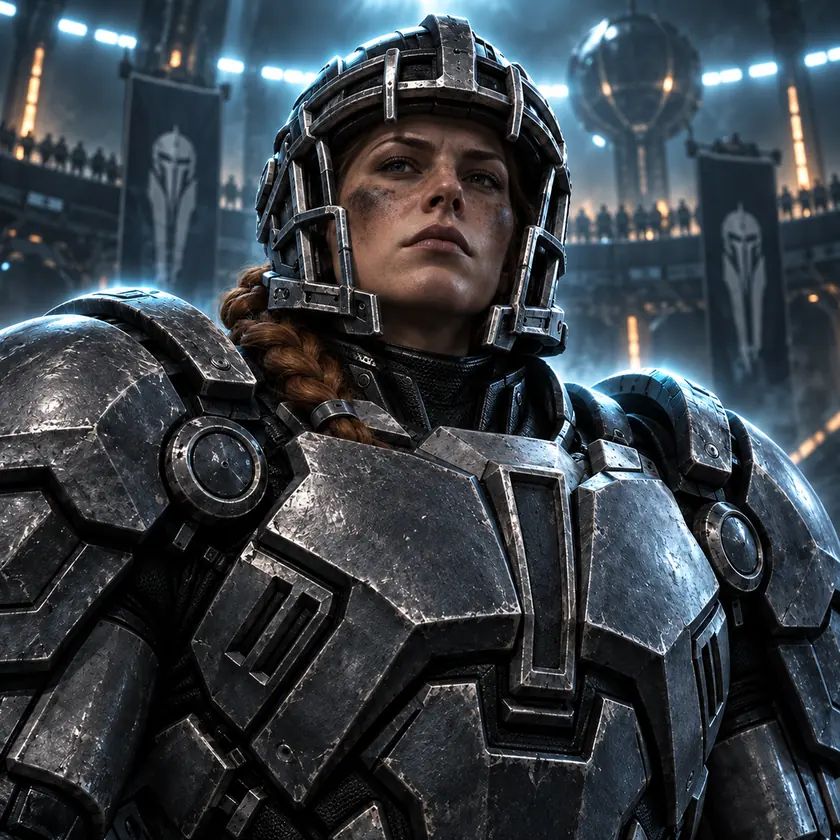
What Division 1 looks like
Iron Wardens top every defensive table in the league and have no interest in entertaining anybody. Their back line rates 88 where yours rates 35. The gym closes that on the instalment plan, and the fixture list does not slow down while you pay.
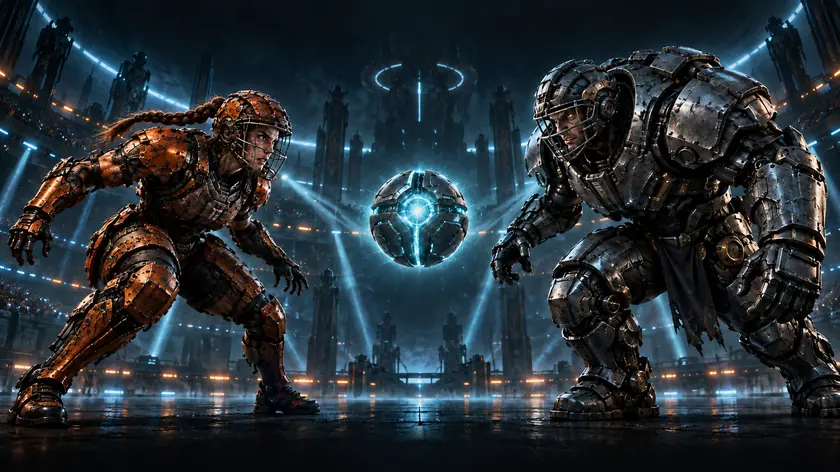
The tunnel
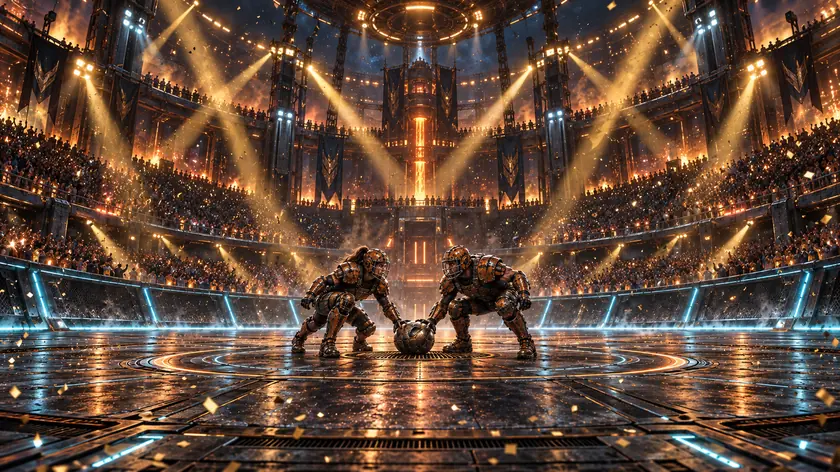
Copper one side, gunmetal the other, a charged ball waiting on the spot between them. The stands have been full since the afternoon. Whatever the table says in May gets decided in ninety-second stretches that all look like this one.
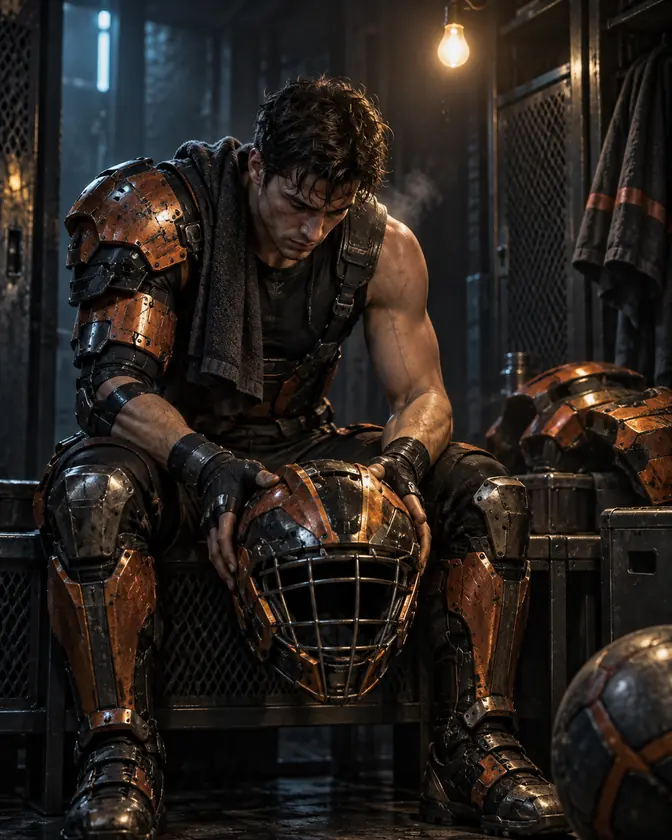
The hour before
Half the armour on, helmet on the knees, one bulb. None of the game happens in this room. It is the part players describe when somebody asks them what it is like.
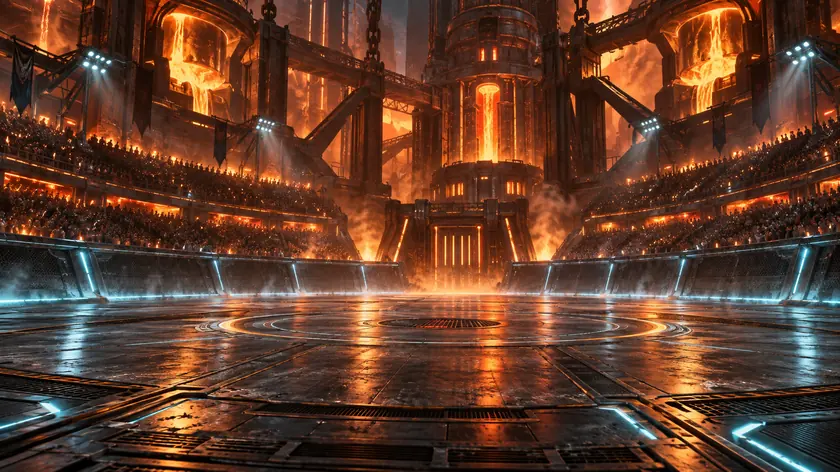
Seventeen grounds, all different
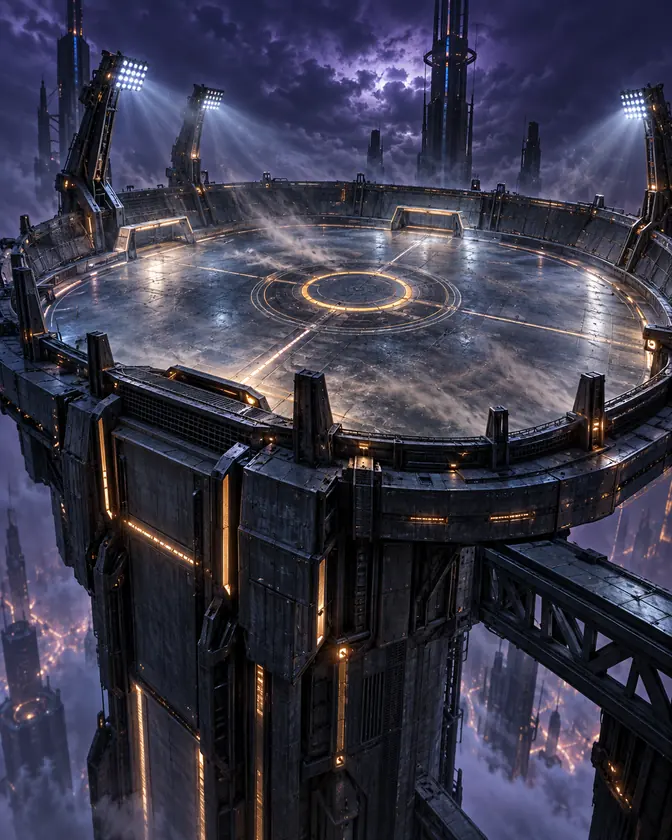
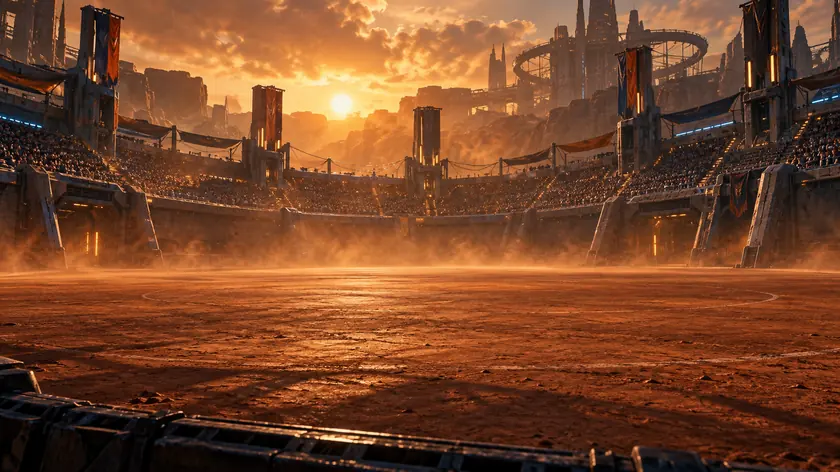
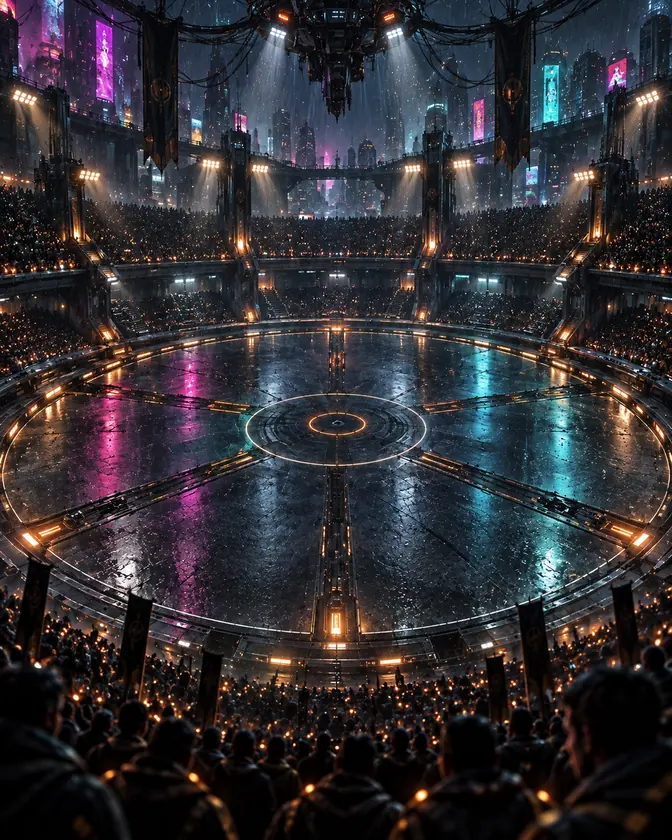
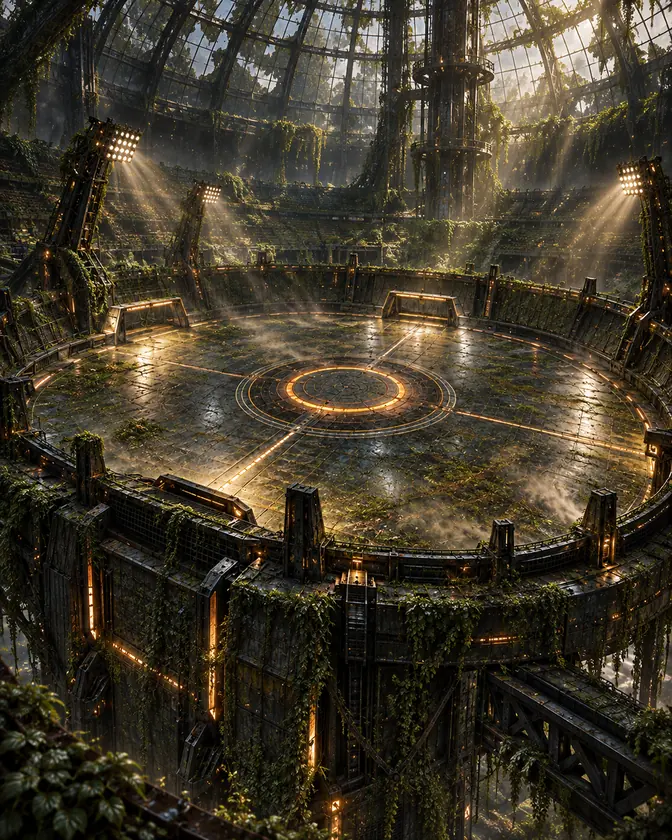
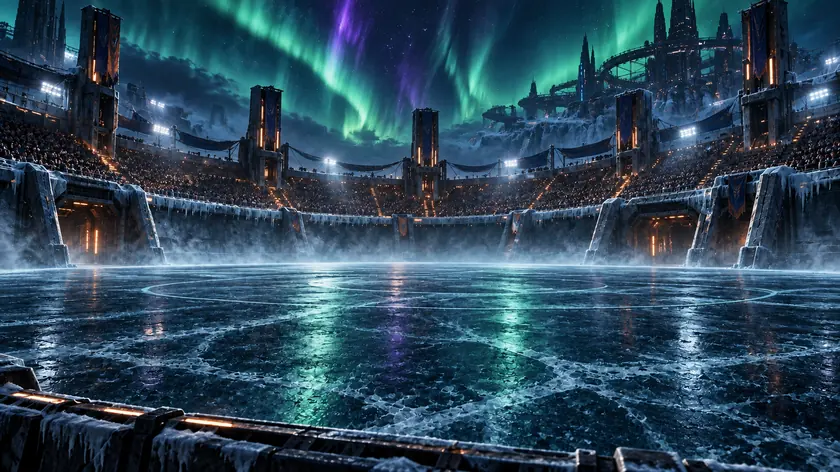
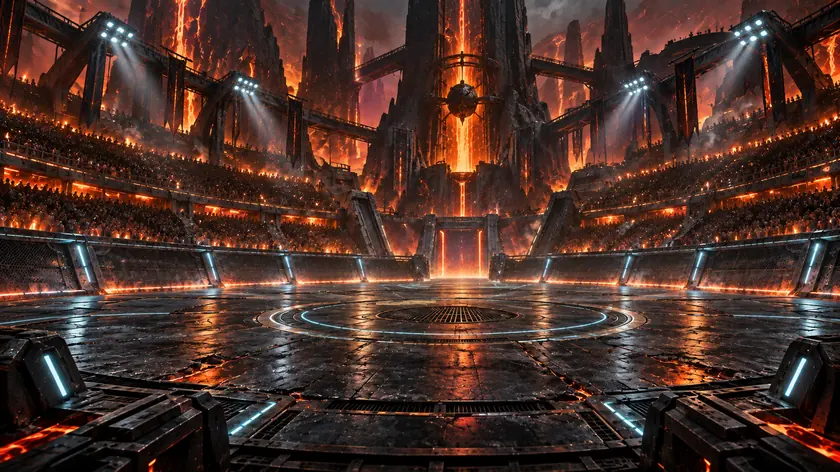
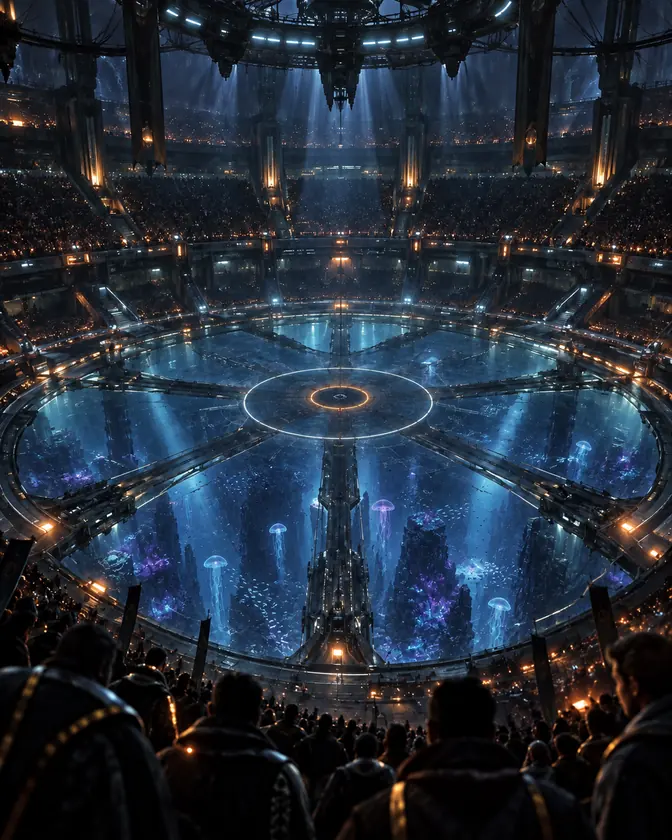
A foundry floor struck flat. A pitch laid over the window of a pressure hull at the bottom of a trench, lit from below. A deck bolted to a tower, in the wind, above the smog. A clay pan with no roof on it at all. A market rooftop in the rain, a greenhouse lost to the moss, sea ice under the aurora, glass poured over lava, and a dome kept for finals nights. The stars, domes, ramps and gates are bolted down in different places in each one, so a tactic that wins here loses two grounds later.
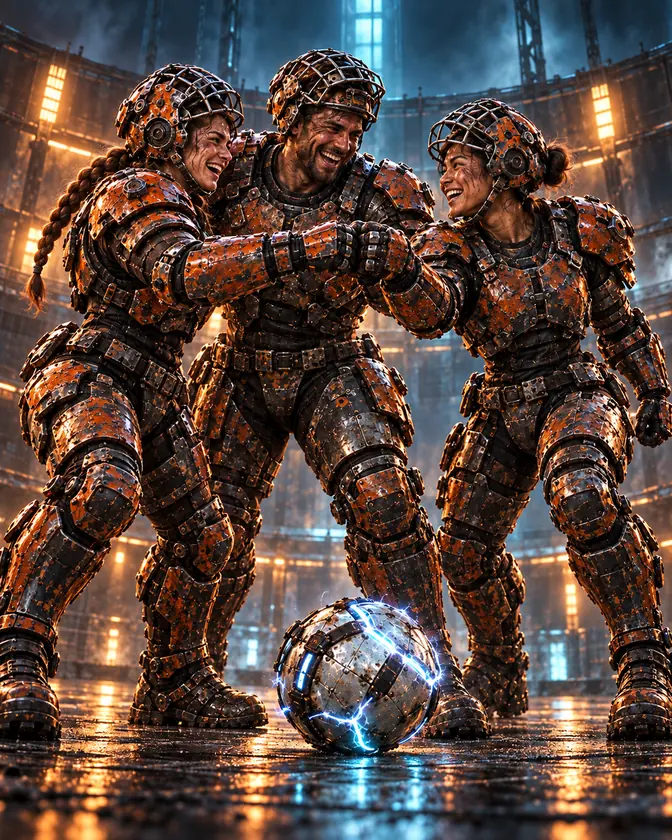
Or just three of you
Three a side strips it down: a small pitch, no keeper, no bench, one athlete each, man or woman. Open a room, send the code to up to five friends, and the AI takes whatever seats are left. Knocked out, you are back three seconds later.
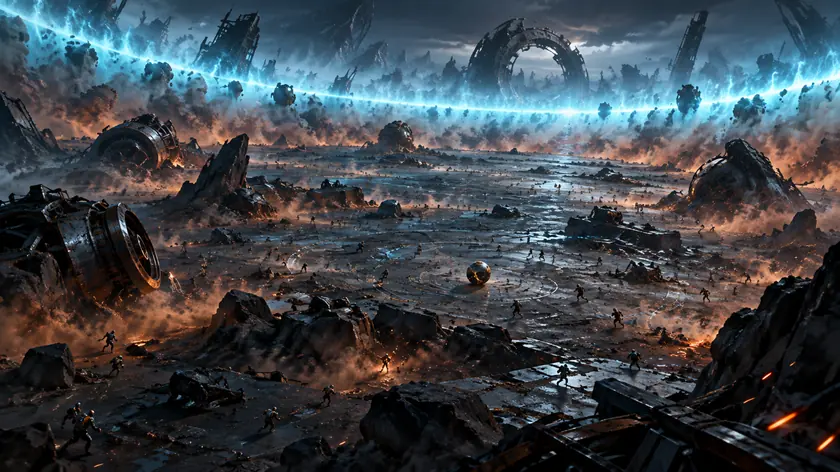
Or a hundred at once
Battle Arena has no clubs in it. A hundred players on open ground, rings instead of cages, and a wall of light that steps in six times until the safe circle is a few strides across. Whoever is still up takes the bank.
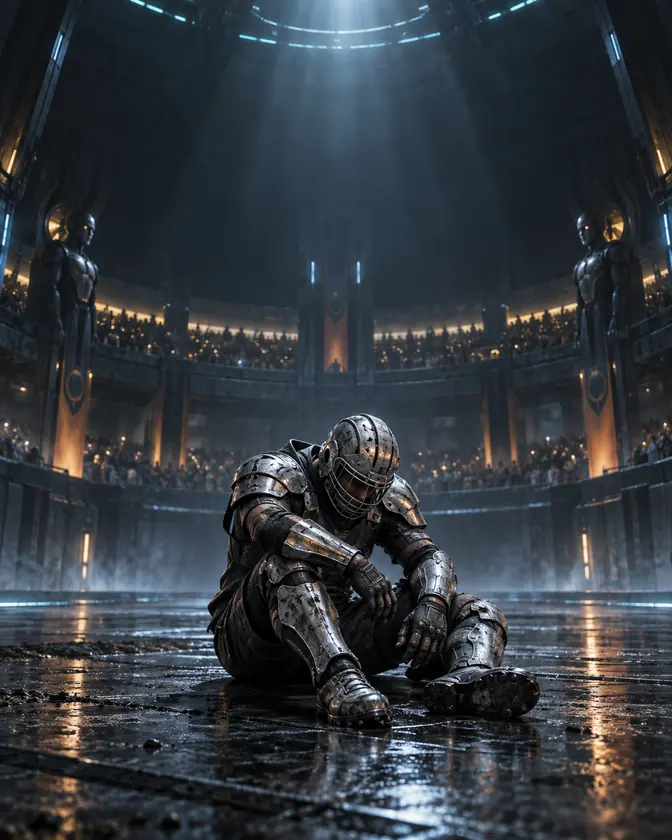
You will lose a lot
Most of the first season goes badly, and the arena empties around whoever is still sitting on the floor when the lights come up. The game makes a share card out of that night the same way it does out of a win. The defeats travel further.
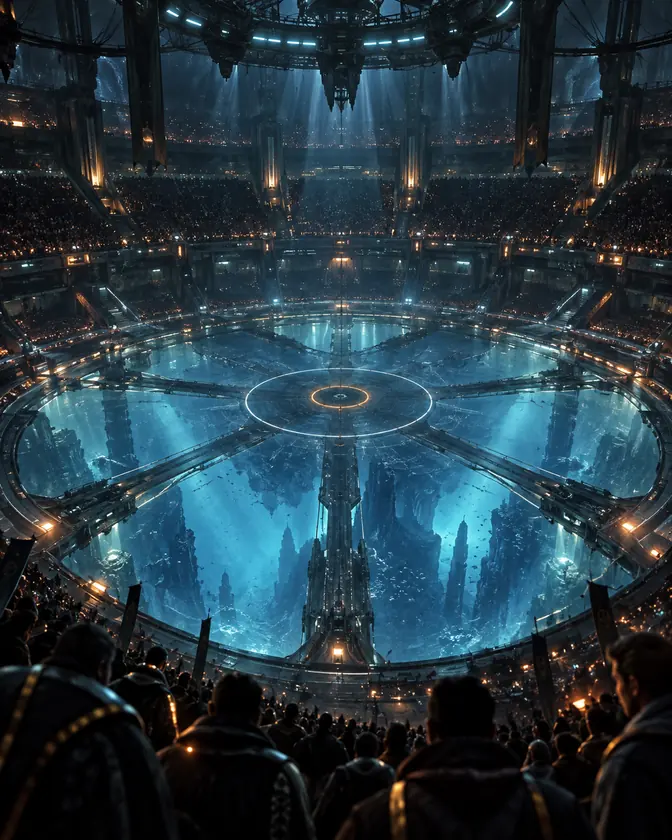
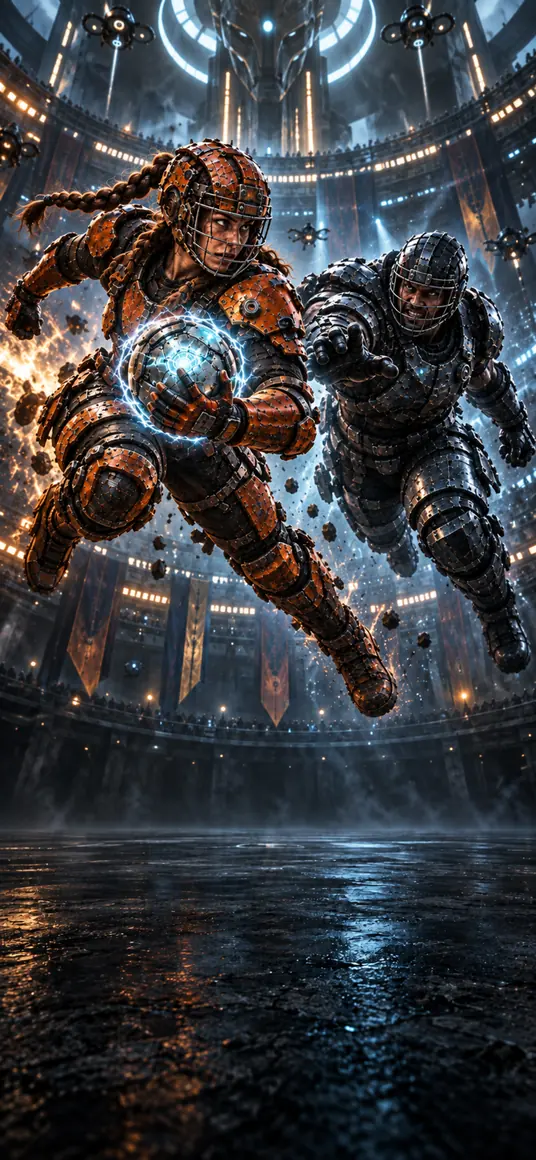
Take the Yard with you
The same clash, cropped for a phone. The bodies sit high in the frame so your icons have the bottom third.
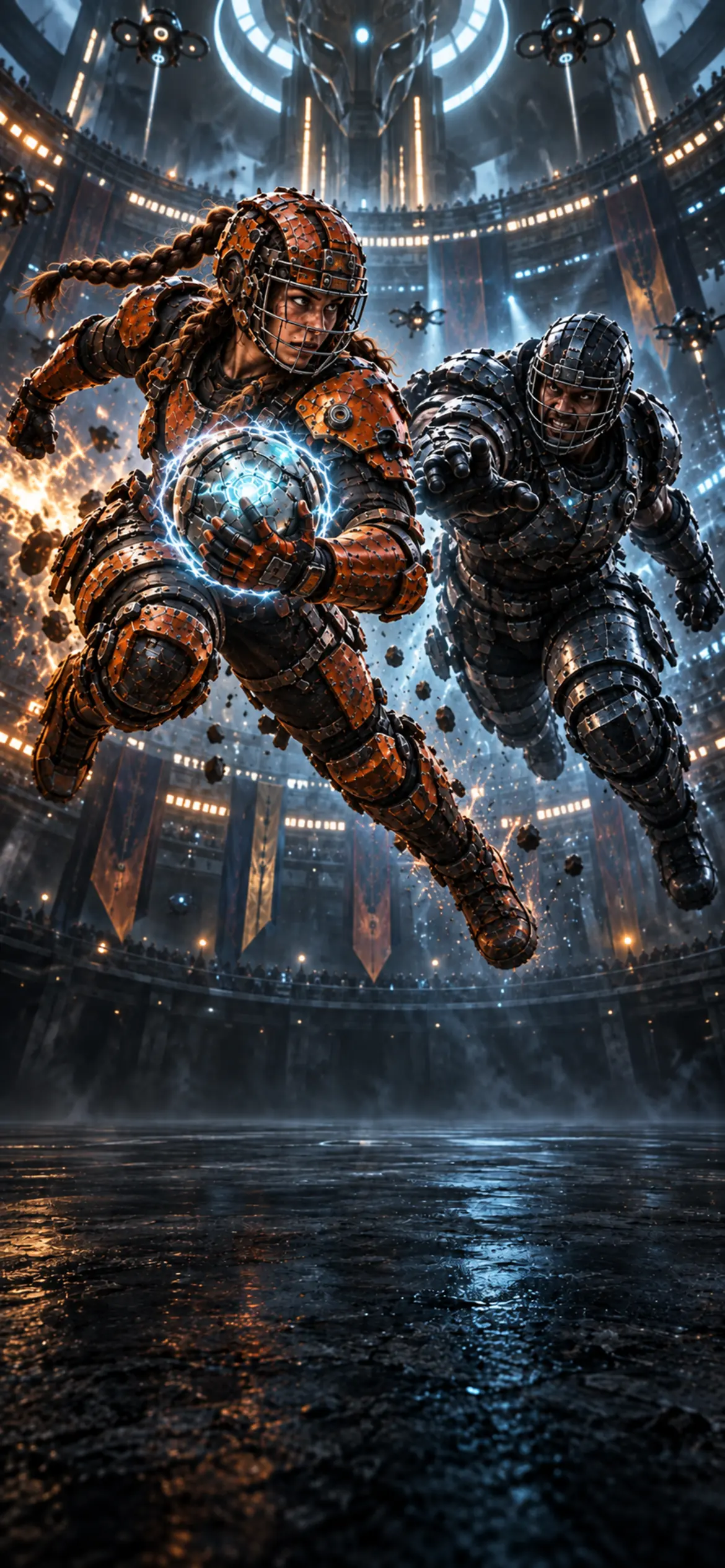
Every picture on this page was made for slagball and none of it is borrowed. The tool, the date and what was retouched are recorded with the credits. Credits and legal notice
Why the odds stay human
Pricing a match takes regularities, and this sport does not produce them. The furniture is bolted down somewhere different in every ground, the multiplier is a gauge both sides fight over, and a good share of the scoring happens to bodies rather than to the ball. You get two seasons to turn the worst club in the league into a champion. After that the career closes either way.
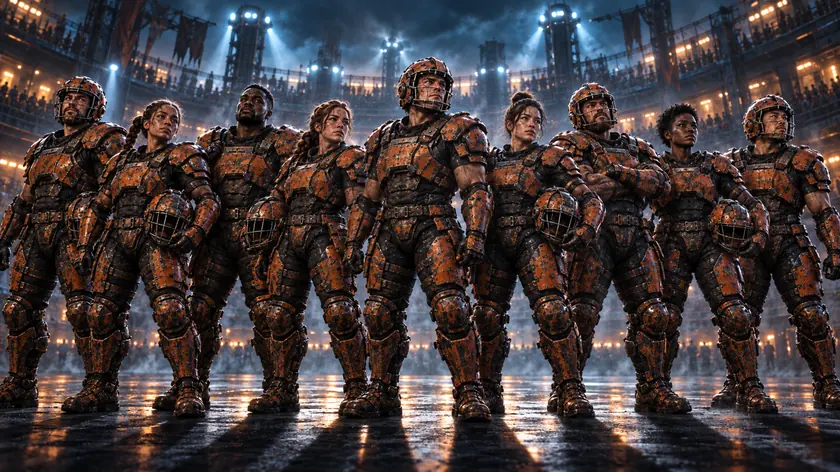
Free. Nothing to install, no account, no safety net.
The ball is already charged.
It runs in the browser. Nothing to install, nothing to sign up for, nothing to buy.
Play slagballBest with the phone in both hands and the sound on.